
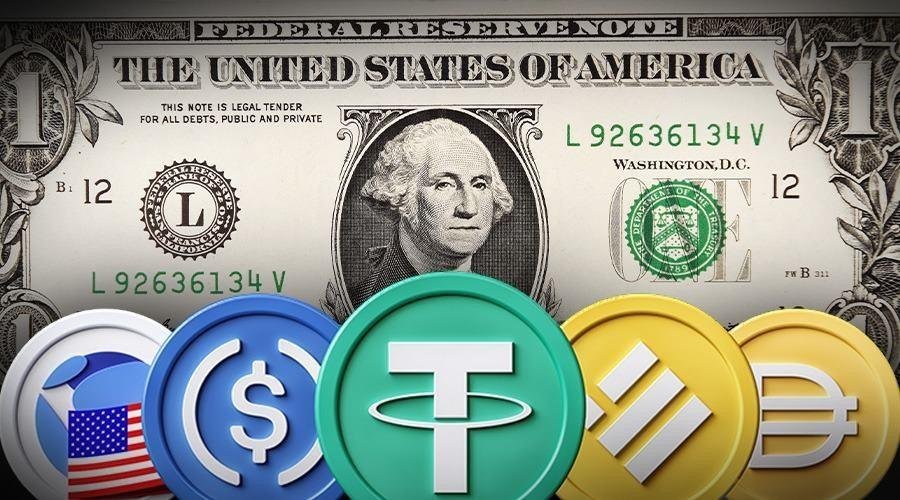
Stablecoins and CBDCs are transforming cross-border payments, currency sovereignty, and corporate finance—explore the latest trends, opportunities, and challenges.
Why This Matters Now
Two seismic shifts are underway in global finance:
- U.S. lawmakers just passed the GENIUS Act, the first comprehensive federal framework for stablecoins.
- China’s digital yuan expansion, including the launch of an international e‑CNY hub in Shanghai and broader yuan-based settlement via CIPS.
These developments mark a turning point—digital currencies are no longer niche; they’re integral to the future of global money.
⚖️ U.S. Stablecoin Regulation: The GENIUS Act
In mid‑June, the U.S. Senate overwhelmingly passed the GENIUS Act (68–30 vote), creating a national regulatory framework for stablecoins
- Mandatory 1:1 asset backing with full reserve transparency
- Bank-like oversight for large issuers (>$50B), including AML safeguards and annual audits
- Consumer protection clauses, deposit prioritization on bankruptcy
- Major players like Visa, Mastercard, Amazon & Walmart are now looking to launch their own stablecoins
Why it’s a big deal:
Regulatory legitimacy transforms stablecoins into credible tools for both commerce and cross-border finance—ushering them from the crypto fringes toward mainstream acceptance.
China’s Digital Yuan & Yuanization Drive
- Parallel to the U.S. focus on stablecoin regulation, China is sharply escalating its digital yuan strategy:
- The People’s Bank of China (PBoC) is setting up a Shanghai-based e‑CNY global operations center world finance.
- They’re also encouraging global giants—like Standard Bank and First Abu Dhabi Bank—to use China’s CIPS platform for yuan-settled trades.
- It’s all part of a strategic vision: move toward a multi-polar currency system and reduce reliance on the U.S. dollar.
This is a geopolitical pivot—a deliberate move to challenge traditional dollar hegemony and build yuan-based financial corridors.
🔍 Key Global Impacts
1. Cross-Border Payments Overhauled
Stablecoins and CBDCs offer faster, lower-cost international transfers than legacy systems like SWIFT. This is especially relevant for trade finance, remittances, and interbank settlements.
2. Currencies in Contention
With China pushing yuan globalisation and the U.S. regulating privately issued stablecoins, we may be entering a multi-leverage monetary world—with stablecoins, CBDCs, and fiat currencies coexisting.
3. Corporate Adoption Accelerates
Big players are gearing up:
- Visa, Mastercard, PayPal are launching crypto-integrated networks reuters.comaxios.com.
- Walmart and Amazon are exploring stablecoin-based payments pending GENIUS Act approval.
4. Regulatory Landscape Solidifies
Global regulators (SEC, EU MiCA, BIS) are converging around principles like reserve backing, transparency, consumer safety, and AML compliance. The U.S. bill establishes a baseline, while global interoperability initiatives are underway.
🚀 What’s Ahead for Fintech & Finance
Stablecoin-Enabled Commerce
Once regulation is complete, expect mainstream acceptance: digital wallets integrated into e-commerce, tailored corporate solutions, and seamless cross-border business payments.
CBDC Collaboration
Systems like mBridge, linking multiple CBDCs, show how nations are working together to streamline cross-border transfers and reduce reliance on correspondent banks en.wikipedia.org+3en.wikipedia.org+3en.wikipedia.org+3en.wikipedia.org.
Hybrid Financial Ecosystems
Consumers and businesses may soon use stablecoins for payments and CBDCs for settlements—creating hybrid money systems.
Geopolitical Currency Moves
International trade may start switching to yuan or stablecoins based on national alliances and currency risks—a strategic change in global economic flows.
✅ The Bottom Line
The fusion of U.S. stablecoin regulation and China’s digital yuan rollout signals a historic transformation in global finance—moving from siloed systems to digital-led monetary interoperability. This shift will affect cross-border commerce, currency competition, corporate payments, and global regulatory frameworks.
💬 Join the Debate
- Do you trust regulated stablecoins more than traditional currencies?
- Should companies prepare for transacting via CBDCs or digital yuan?
- How do you think this affects financial sovereignty and global trade?
Leave your thoughts in the comments—and subscribe for weekly global fintech insights!